English
 Español
 عربى
عربى हिंदी
हिंदी
Hilo de nailon 6 HOY: propiedades, especificaciones y cómo elegir el grado correcto
Contenido
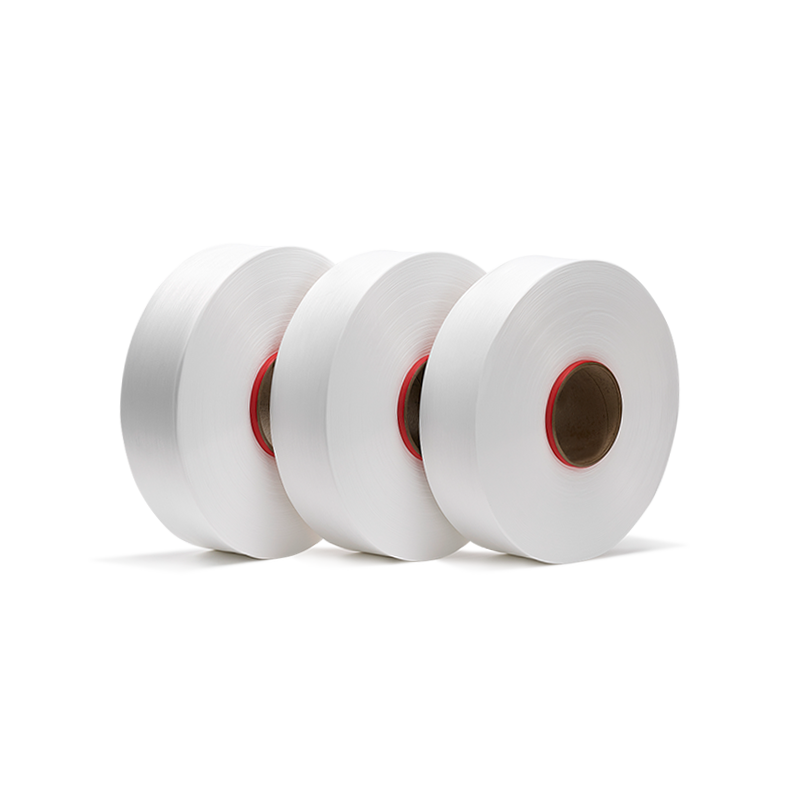
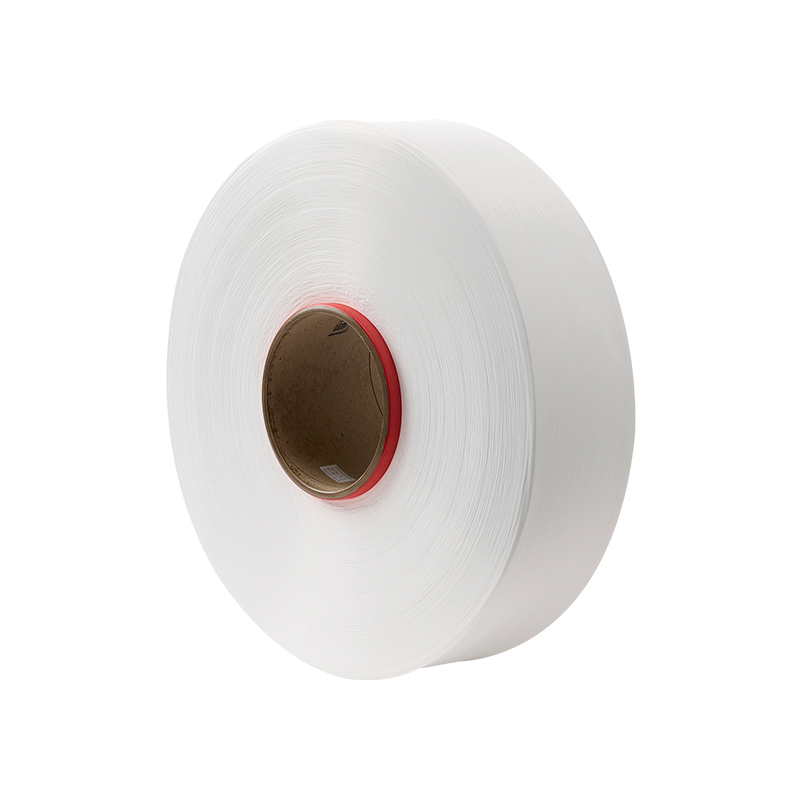
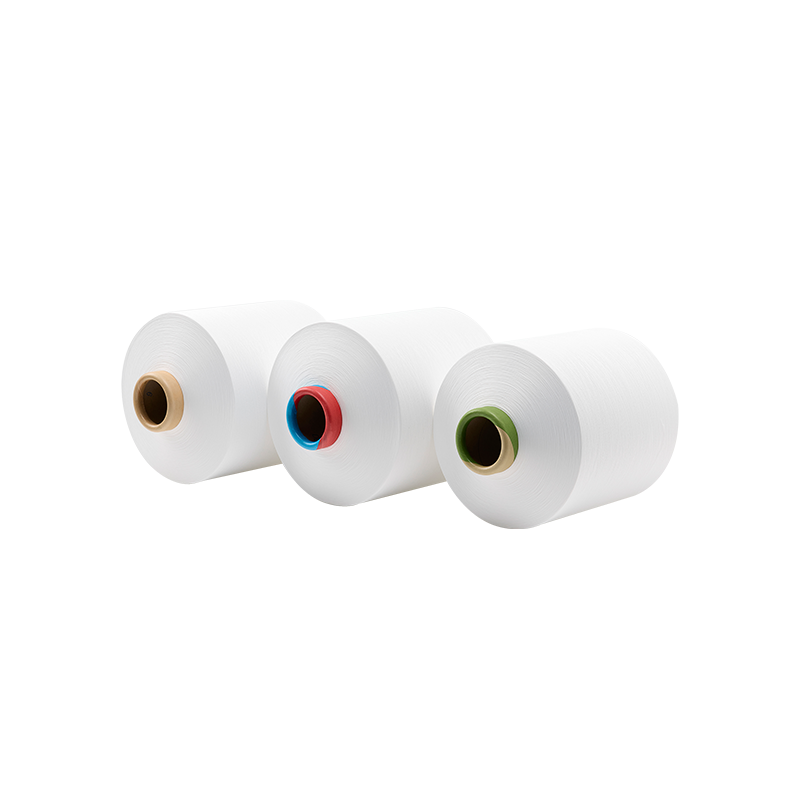
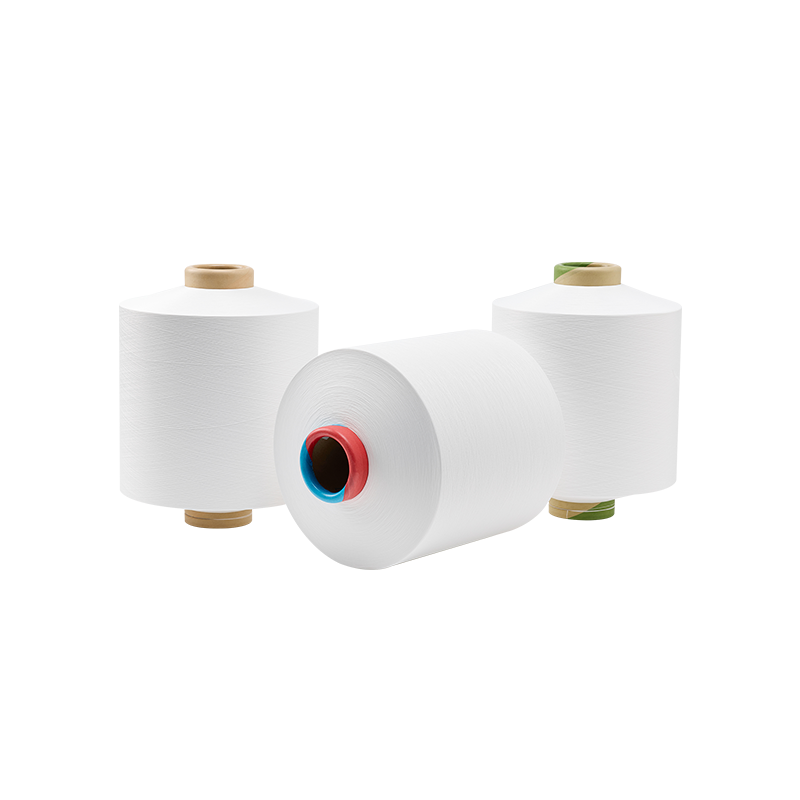
Qué es realmente el hilo de nailon 6 HOY
Una resistencia de 3,8 a 4,2 cN/dtex combinada con un alargamiento del 55 al 65 % es el rango numérico que define este hilo en una hoja de especificaciones. Hilo de nailon 6 HOY se produce mediante un proceso de hilado y estirado en un solo paso a muy alta velocidad, lo que sitúa su rendimiento entre el hilo completamente estirado y el hilo parcialmente orientado en lugar de en cualquiera de los extremos.
Ese único paso de producción importa más de lo que parece. Significa que el hilo alcanza una estructura estable, parcialmente cristalizada, sin una etapa separada de estirado y texturizado, lo que elimina un paso de procesamiento de la cadena de suministro y mantiene bajos los costos para los convertidores que no necesitan la estabilidad total de FDY.
Resistencia, alargamiento y contracción: los números que importan
Hilo de nailon 6 de alta orientación tiene un mayor alargamiento y menor tenacidad que el FDY, y su contracción en agua hirviendo también es menor. En la práctica, esa combinación es lo que da a las telas hechas con él una sensación al tacto más suave y flexible en comparación con las alternativas completamente dibujadas.
- Tenacidad: 3,8–4,2 cN/dtex
- Alargamiento: 55%–65%
- Contracción del agua en ebullición: inferior a FDY
- Rango de denier: normalmente de 15D a 400D, según el productor
La menor tenacidad no es una debilidad aquí: es una compensación de diseño. Las telas no necesitan una resistencia máxima a la tracción para la mayoría de los usos de prendas de vestir y textiles para el hogar; necesitan cobertura, recuperación del estiramiento y una superficie que se sienta bien contra la piel.
HOY vs POY vs FDY: dónde cae realmente la línea
Los compradores suelen preguntar qué hilo especificar y la respuesta honesta es que depende de lo que suceda posteriormente. Hilo de nailon HOY ya está parcialmente estabilizado, por lo que omite el dibujo adicional que requiere POY antes de tejer o tejer, pero no está tan completamente configurado como FDY.
Si una fábrica planea texturizar el hilo por sí misma, POY todavía tiene sentido. Si el tejido necesita la máxima estabilidad dimensional para uso industrial, FDY es la opción más segura. Para todo lo demás: telas para prendas de vestir, hilos elegantes, tejidos circulares y por urdimbre, donde la suavidad y la caída tienen más peso que la resistencia bruta. nailon hoy tiende a ser la opción más económica.
Dónde se utiliza
Las fábricas de tejidos especifican Nylon 6 HOY para materiales de vestir, telas elegantes para la moda y textiles para el hogar donde la prioridad es un tejido suave y de baja contracción. Las operaciones de tejido circular y tejido por urdimbre también lo favorecen, ya que el estado cristalizado pero no estirado del hilo pasa limpiamente a través de máquinas de tejer de alta velocidad sin roturas excesivas.
Los grados con deniers más bajos (15D-70D) se destinan a forros de prendas de vestir livianos y telas adyacentes a las medias, mientras que los deniers más pesados se dirigen a forros de bolsas y textiles industriales livianos donde aún se necesita cierta flexibilidad.
Elegir un grado y un proveedor
El denier, el brillo (brillante, semi-opaco, completamente opaco) y el método de teñido (teñido con masa versus teñido en pieza) son las tres variables que vale la pena bloquear antes de realizar un pedido. Equivocarse en el denier es el error costoso más común: un hilo demasiado fino para una tela pesada da como resultado una tela delgada e inestable, mientras que un hilo demasiado grueso mata la cortina que buscaba el comprador en primer lugar.
La consistencia también se remonta más allá del propio hilo. Los productores que controlan su propio suministro de virutas de hilo Nylon HOY tienden a mantener tolerancias de viscosidad más estrictas entre lotes, lo que se manifiesta en el futuro como menos variaciones de lotes de tinte y un rendimiento de hilado más estable.