English
 Español
 عربى
عربى हिंदी
हिंदी
Hilo de nailon 6 HOY - Directo de fábrica de hilo de alta orientación
Contenido
- 1 La ventaja estructural del hilo de nailon 6 de alta orientación
- 2 La consistencia del polímero y su vínculo directo con la calidad del nailon 6 HOY
- 3 Selección de la especificación adecuada del hilo Nylon 6 HOY
- 4 Pasos prácticos para mejorar la eficiencia del tejido con nailon HOY
- 5 Por qué el suministro directo de fábrica fortalece la cadena de valor del nailon 6 HOY
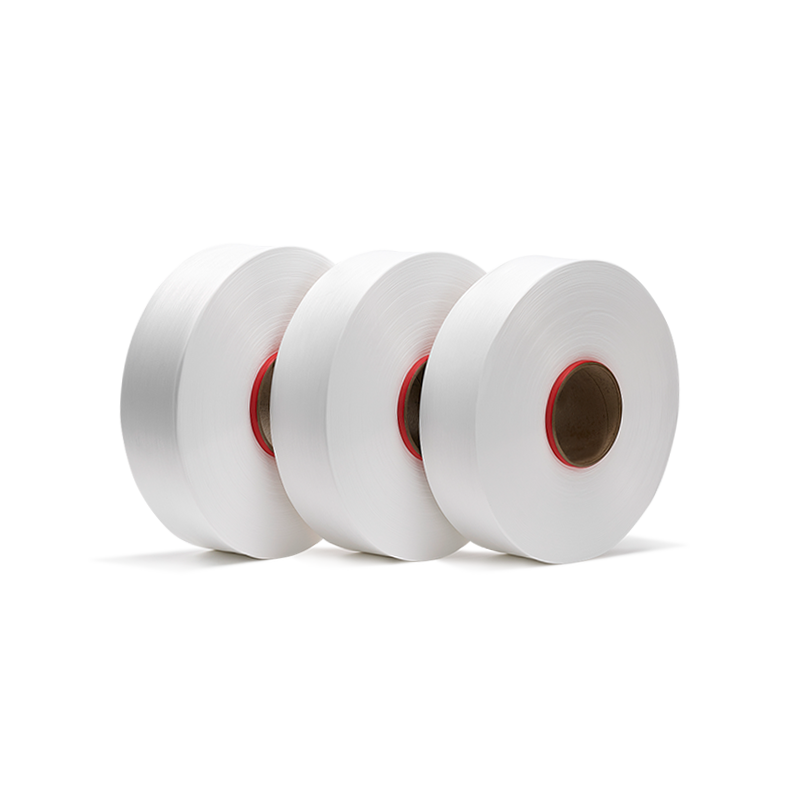
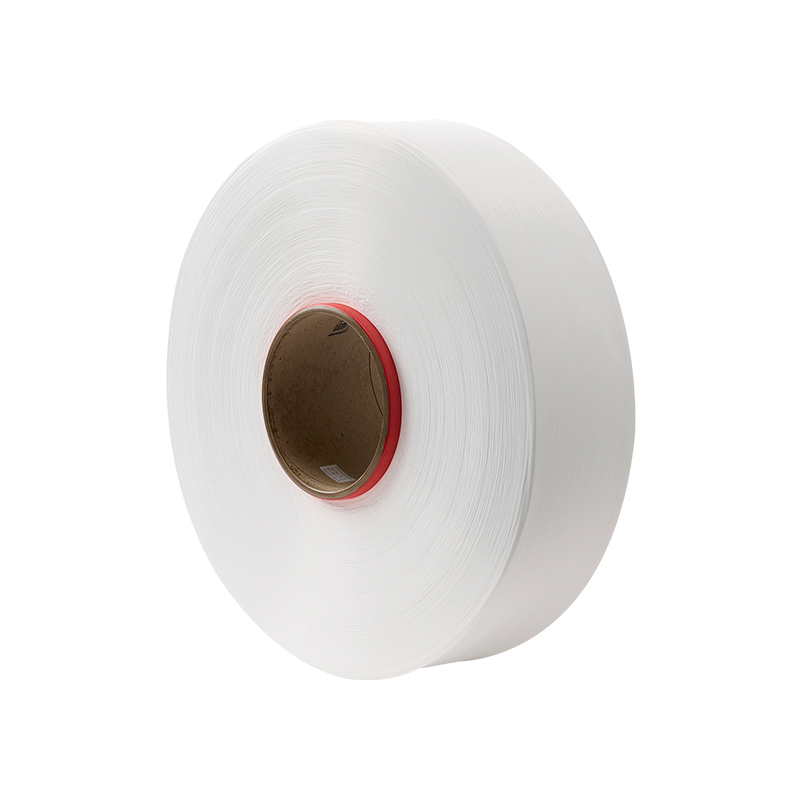
Para las fábricas que utilizan máquinas de tejer o tejer de alta velocidad, es fundamental seleccionar un hilo de nailon 6 de alta orientación con alargamiento controlado y resistencia robusta a la tensión. El hilo procedente de cadenas de producción totalmente integradas ofrece la uniformidad entre lotes necesaria para minimizar las paradas de la máquina y reducir los defectos del tejido. Hilo de nailon 6 HOY , con su alto grado de orientación molecular, ofrece la resistencia y estabilidad del proceso que exigen el tejido por urdimbre moderno y la producción de prendas sin costuras. Cuyo toda la cadena de valor, desde la polimerización de caprolactama hasta el bobinado final, se encuentra bajo un mismo techo, los fabricantes intermedios pueden contar constantemente con un suministro confiable de hilo de nailon HOY que mantiene sus operaciones predecibles.
La ventaja estructural del hilo de nailon 6 de alta orientación
Nylon 6 HOY Se hila a altas velocidades que alinean las cadenas de polímero a lo largo del eje de la fibra antes de que el filamento se solidifique por completo. Esto le da al hilo un factor de orientación más alto en comparación con el hilo parcialmente orientado (POY) convencional. Normalmente, el hilo de nailon 6 altamente orientado presenta una factor de orientación superior a 0,85 y un tenacidad de rotura en el rango de 4,5 a 5,5 cN/dtex . El alargamiento de rotura permanece controlado entre 25% y 40% , que reduce las variaciones de estiramiento durante el tejido o tejido de alta tensión.
Estas características estructurales se traducen directamente en beneficios para el piso del molino:
- Menor variabilidad de tensión en filetas, reduciendo el desgaste de las agujas en máquinas circulares.
- Estabilidad dimensional superior del tejido crudo, que ayuda a mantener la precisión del patrón en lencería o trajes de baño de punto por urdimbre.
- Alto módulo que resiste la flacidez, lo que hace que el hilo de nailon HOY sea adecuado para tejidos de calibre estrecho donde la formación constante de bucles es esencial.
La contracción residual relativamente baja de HOY también significa que el ajuste posterior al calor se puede ajustar sin cambios dimensionales excesivos, una propiedad que convierte el valor al producir rollos de tela listos para teñir.
La consistencia del polímero y su vínculo directo con la calidad del nailon 6 HOY
Un factor diferenciador para los fabricantes de hilos de nailon 6 HOY es el control que ejercen sobre el suministro de virutas de polímero. Cuando la polimerización y el hilado están físicamente conectados, la masa fundida ingresa a la viga de hilado con un historial térmico mínimo y una viscosidad relativa constante. Los productores de primer nivel mantienen viscosidad relativa dentro de una banda estrecha de 2,4 a 2,6 y mantener Contenido de monómero extraíble inferior al 0,5 %. . Un control tan estricto es difícil de lograr cuando las virutas se vuelven a fundir después del transporte y almacenamiento.
Esta integración afecta directamente al rendimiento del nailon 6 HOY:
- La uniformidad (Uster CV%) se mantiene por debajo 1,2% , asegurando que los diámetros del filamento no se desvíen a lo largo de la bobina.
- La variación en la absorción de tinte entre lotes se mantiene dentro de un Clasificación en escala de grises de 4 o superior. , lo que reduce el riesgo de que los tonos no coincidan en tonos críticos pastel o de alta costura.
- El contenido de oligómeros se minimiza en origen, lo que ayuda a mantener los ojos guía y los calentadores más limpios durante el texturizado o el deformación.
Para un tejedor o tejedor, estas disciplinas a nivel de polímero significan un hilo HOY de nailon que se ejecuta con menos empalmes y menos casos de defectos de barras o rayas en el tejido terminado.
Selección de la especificación adecuada del hilo Nylon 6 HOY
Hacer coincidir un denier y un número de filamentos específicos con el calibre de la máquina y el uso final es el primer paso para lograr la sensación al tacto y la resistencia de la tela deseadas. La siguiente tabla enumera los tipos comunes de hilo de nailon 6 de alta orientación y sus aplicaciones típicas.
| Especificación del hilo | Tenacidad típica (cN/dtex) | Aplicación recomendada |
|---|---|---|
| 20D/7F | 4.8–5.2 | Medias ultratransparentes, braguitas ligeras sin costuras. |
| 40D/12F | 4.7–5.1 | Encaje, cinta elástica, capas base de ropa deportiva. |
| 70D/24F | 4,5–5,0 | Ropa interior sin costuras, trajes de baño y cinchas. |
| 100D/36F | 4,5–4,9 | Flejes resistentes, tejidos para equipaje y tejidos técnicos de punto por urdimbre. |
Más allá del denier, parámetros como recogida de aceite (0,5–1,0%) and entrelazado (6 a 10 nodos por metro) debe especificarse en función del proceso de formación de la tela. El tejido plano generalmente requiere un entrelazado ligeramente más alto para evitar que el filamento se parta, mientras que el tejido por urdimbre puede preferir un hilo más limpio y con un entrelazado más bajo para evitar la distorsión de la puntada.
Pasos prácticos para mejorar la eficiencia del tejido con nailon HOY
Incluso un hilo de nailon 6 HOY de alta calidad puede causar dolores de cabeza si las condiciones ambientales y de manipulación no coinciden. Las fábricas que logran la mayor productividad suelen seguir estas prácticas:
- Acondicione el hilo en un ambiente controlado a 20–25°C y 55–65% de humedad relativa durante al menos 24 horas antes de su uso. Esto estabiliza el contenido de humedad y restaura la elasticidad del filamento después del envío.
- Inspeccione las bobinas para ver si se desenrollan suavemente; un ángulo cónico de 34° a 36° en paquetes enrollados con precisión generalmente proporciona el perfil de tensión más uniforme.
- Establezca las aceleraciones de desenrollado gradualmente en las estaciones de empalme automático, ya que los arranques abruptos pueden provocar un pico de tensión a corto plazo que rompa el hilo HOY de nailon de alto módulo en los puntos débiles.
- Cuando los comentarios de la tintorería indican una variación de tono del centro al borde, mire primero consistencia de contracción del agua hirviendo ; una desviación tan pequeña como el 2% entre bobinas puede producir diferencias visibles en la absorción de tinte en tonos críticos.
Abordar estas variables convierte un buen nailon 6 HOY en un insumo predecible que puede funcionar durante cientos de horas máquina con una intervención mínima.
Por qué el suministro directo de fábrica fortalece la cadena de valor del nailon 6 HOY
Obtener hilo de nailon 6 HOY directamente de un fabricante que opera líneas integradas de polimerización e hilado elimina varias capas de incertidumbre. Cuando una sola entidad controla todo el proceso, la genealogía del lote es totalmente rastreable: los operadores pueden vincular un cono específico al lote del reactor de polímero y a la celda de hilado exacta, a menudo hasta la hora de producción. Este nivel de transparencia es difícil de replicar cuando los intermediarios dividen o fusionan paletas en un almacén.
Las relaciones directas también permiten una colaboración técnica práctica. Si una fábrica de telas necesita ajustar el número de nodos entrelazados o ajustar el nivel de brillo de un hilo de nailon altamente orientado, la ruta de comunicación es corta. Los ajustes se pueden probar en una línea de hilatura piloto y luego transferirse sin problemas a la producción en volumen sin exponer el trabajo de desarrollo de tejidos patentados a terceros. La capacidad de fijar una especificación de material consistente durante varios trimestres también respalda las certificaciones posteriores, como OEKO-TEX o listas de sustancias restringidas específicas de la marca, donde la consistencia de la materia prima es un requisito previo para la aprobación.
La asociación con un productor de nailon 6 HOY que integra polimerización y texturizado ofrece ventajas mensurables en la calidad del producto y la estabilidad operativa. Centrarse en parámetros físicos estrictos, uniformidad de tinte entre lotes y suministro confiable ayuda a las fábricas a reducir los desperdicios y cumplir con las exigentes especificaciones del usuario final sin la variabilidad que interrumpe los estrictos programas de producción.