English
 Español
 عربى
عربى हिंदी
हिंदी
Chips de nailon 6 de grado de fibra, de grado de película o de grado de ingeniería: cómo elegir
Contenido
- 1 Qué son realmente los chips de nailon 6
- 2 Chips de nailon 6 de grado de fibra: diseñados para ofrecer velocidad y tenacidad
- 3 Chips de nailon 6 de calidad cinematográfica: claridad óptica bajo estrés de procesamiento
- 4 Chips de nailon 6 de grado de ingeniería: rendimiento estructural bajo demanda
- 5 Comparación de calificaciones de un vistazo
- 6 Cómo elegir el grado correcto
Elija el grado incorrecto de virutas de Nylon 6 y pagará dos veces: una vez en costo de material y otra vez en tiempo de inactividad de producción. PA6 parece un solo producto en una hoja de datos, pero los chips de grado de fibra, de película y de ingeniería se construyen en torno a objetivos de rendimiento fundamentalmente diferentes. Saber qué los separa es la forma más rápida de especificar las especificaciones en el primer pedido.
Qué son realmente los chips de nailon 6
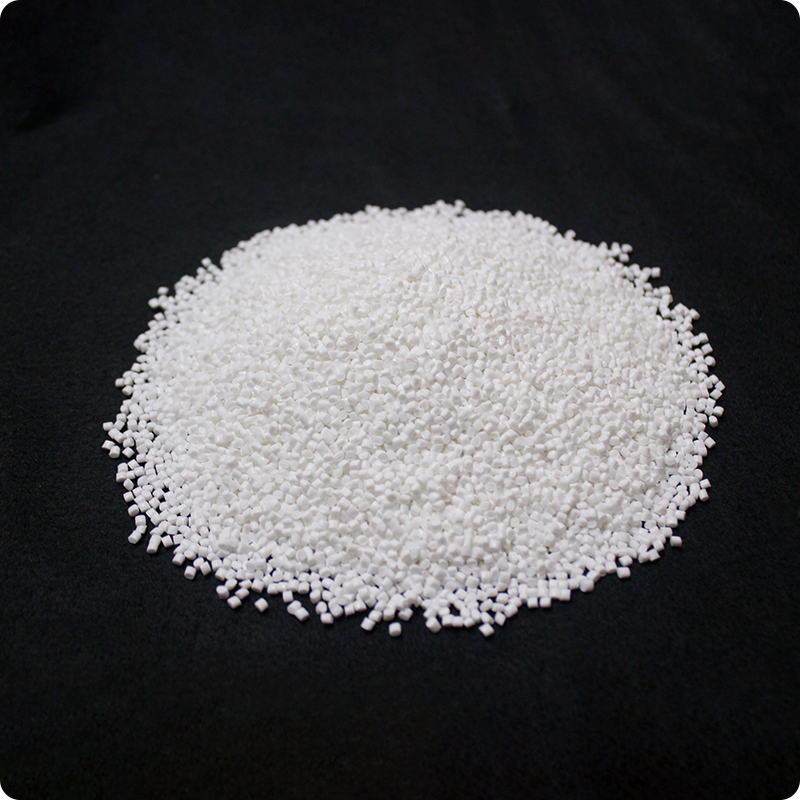
Los chips de nailon 6 (poliamida 6, PA6) son pequeños gránulos cilíndricos o en forma de disco producidos por la polimerización con apertura de anillo de caprolactama. Sirven como intermediario entre las materias primas petroquímicas y los productos poliméricos terminados: textiles, películas de embalaje o piezas estructurales. La química base es la misma en todos los grados; lo que cambia es la viscosidad relativa (RV), el paquete de aditivos, el nivel de pureza y el contenido de humedad, todos los cuales se ajustan para un proceso posterior específico.
Chips de nailon 6 para aplicaciones de fibra, películas y ingeniería comparten un punto de fusión de alrededor de 220 °C y una excelente resistencia química y a la abrasión, pero la similitud en gran medida termina ahí una vez que se analizan los requisitos de procesamiento y RV.
Chips de nailon 6 de grado de fibra: diseñados para ofrecer velocidad y tenacidad
Los chips de fibra son el caballo de batalla del mundo PA6. Están optimizados para el hilado por fusión en filamento continuo o fibra cortada, lo que significa que el polímero debe fluir suavemente a través de finas hileras a altas tasas de rendimiento sin romperse ni formar geles.
Objetivos de especificación clave para el grado de fibra:
- Viscosidad relativa: 2,4 – 2,7 (un RV más bajo permite velocidades de giro más rápidas y una mejor capacidad de dibujo)
- Bajo contenido extraíble (caprolactama residual inferior al 0,5%) para evitar la obstrucción de la hilera.
- Consistencia de color firme: el índice de amarillez se controla estrechamente para hilos brillantes y teñibles.
- El contenido de humedad suele ser ≤ 0,08 % antes de la extrusión.
Los productos finales incluyen calcetería, ropa deportiva, lencería, alfombras y correas industriales. Debido a que la fibra se estira varias veces su longitud extruida, cualquier inconsistencia en el peso molecular se manifiesta inmediatamente como roturas de filamento o tenacidad desigual, por lo que la estabilidad del RV de un lote a otro es tan importante como el valor objetivo en sí.
Chips de nailon 6 de calidad cinematográfica: claridad óptica bajo estrés de procesamiento
Los chips PA6 de calidad cinematográfica sirven a la industria del embalaje flexible. La demanda de rendimiento crítica aquí es óptica: los recuentos de turbidez, brillo y ojo de pez determinan si un convertidor puede vender el carrete a un envasador de alimentos o productos farmacéuticos. Las demandas secundarias son mecánicas: la película debe sobrevivir a las operaciones de impresión, laminación y sellado sin poros.
Objetivos de especificación clave para el grado de película:
- Viscosidad relativa: 2,8 – 3,2 (El RV moderado-alto apoya la orientación biaxial y la estabilidad de la burbuja)
- Contenido de gel muy bajo: los geles son la causa número uno de ojos de pez y picos de neblina
- Paquete de aditivos controlados: los agentes antideslizantes y antibloqueo suelen estar premezclados
- Compatible con socios de coextrusión de PE y EVOH en estructuras de películas de barrera
Los compradores que cambian a un chip de fibra más barato para la producción de películas descubren rápidamente por qué existe la prima: los recuentos de gel aumentan, la turbiedad aumenta y aparecen líneas de troqueles que requieren purgas no programadas. La economía de los chips de calidad cinematográfica es inseparable de la eficiencia de la línea.
Chips de nailon 6 de grado de ingeniería: rendimiento estructural bajo demanda
Los chips PA6 de grado de ingeniería (grado de plástico) están formulados para moldeo por inyección y extrusión de componentes estructurales. El enfoque pasa completamente de las propiedades ópticas o textiles al rendimiento mecánico: resistencia a la tracción, resistencia al impacto, temperatura de deflexión del calor y estabilidad dimensional bajo carga.
Objetivos de especificación clave para el grado de ingeniería:
- Viscosidad relativa: 3,2 – 3,8 (mayor peso molecular = mejor tenacidad al impacto y resistencia a la fluencia)
- A menudo se vende en variantes reforzadas con fibra de vidrio (GF15, GF30, GF40) para mayor rigidez estructural.
- Se agregaron estabilizadores de calor para el envejecimiento a largo plazo en ambientes debajo del capó y adyacentes al motor.
- Los requisitos de cumplimiento varían: FDA 21 CFR para contacto con alimentos, UL94 V-0 para gabinetes eléctricos
Las piezas típicas incluyen carcasas debajo del capó de automóviles, engranajes, conectores eléctricos, bridas para cables y componentes de bombas. El amplio rango de viscosidad dentro de los grados de ingeniería también significa que los compradores deben especificar si la aplicación es moldeo por inyección (se prefiere un índice de flujo más bajo para cavidades complejas) o un perfil de extrusión (RV más alto para resistencia de la masa fundida).
Comparación de calificaciones de un vistazo
| Parámetro | Grado de fibra | Grado de película | Grado de ingeniería |
|---|---|---|---|
| Viscosidad relativa (RV) | 2.4 – 2.7 | 2.8 – 3.2 | 3,2 – 3,8 |
| Demanda primaria | Capacidad de hilado, tenacidad. | Claridad óptica, estabilidad de la película. | Resistencia mecánica, resistencia al calor. |
| Proceso típico | Derretir hilado | Extrusión de película fundida/soplada | Moldeo por inyección, extrusión de perfiles. |
| Métrica de calidad crítica | Extraíbles, uniformidad VD | Recuento de gel, turbidez | Resistencia a la tracción, HDT |
Cómo elegir el grado correcto
Tres preguntas limitan rápidamente la decisión. Primero, ¿cuál es el método de procesamiento: hilado, extrusión de película o moldeado? Eso por sí solo abarca la autonomía de los vehículos recreativos. En segundo lugar, ¿existen requisitos reglamentarios (contacto con alimentos, retardante de llama, médicos) que exijan una resina base certificada? En tercer lugar, ¿los chips se combinarán aún más con fibra de vidrio u otros aditivos, o se usarán puros? Los compuestos a menudo comienzan con un chip estándar de grado de ingeniería y agregan fibra de vidrio internamente; Los convertidores que suministran embalajes terminados compran películas de calidad listas para funcionar.
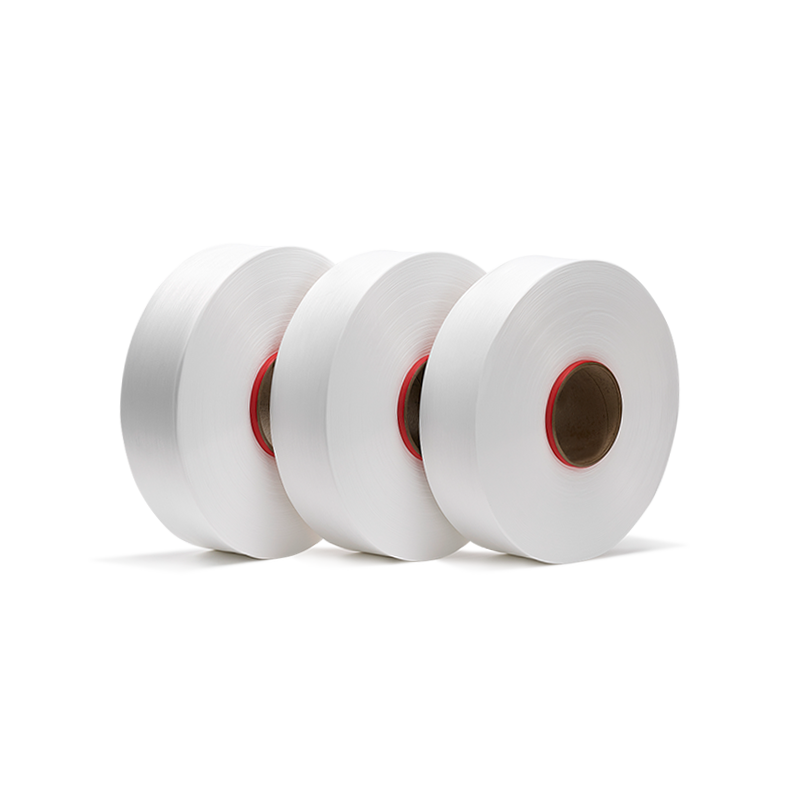
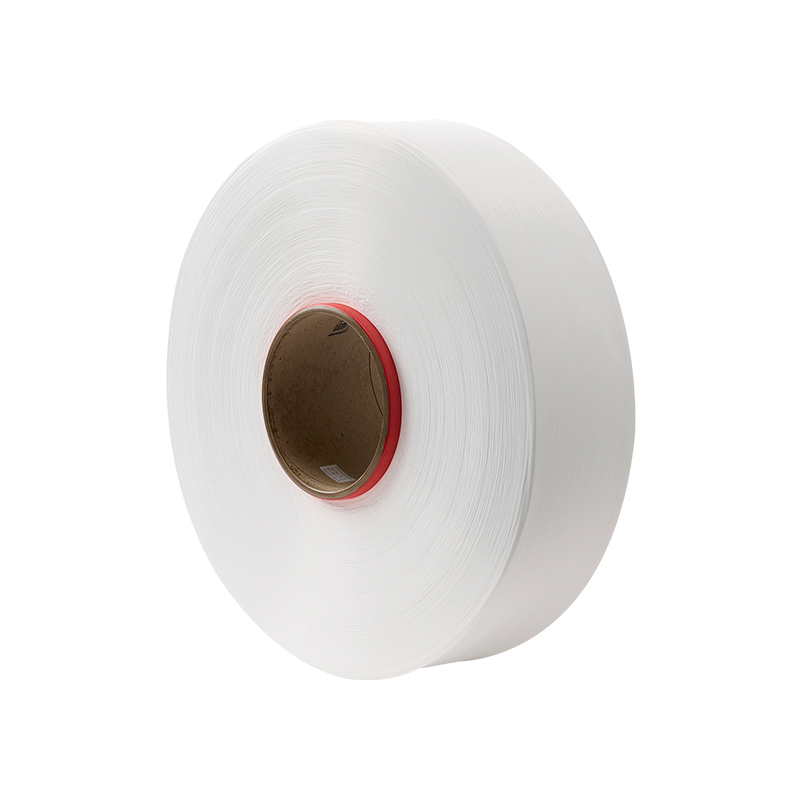
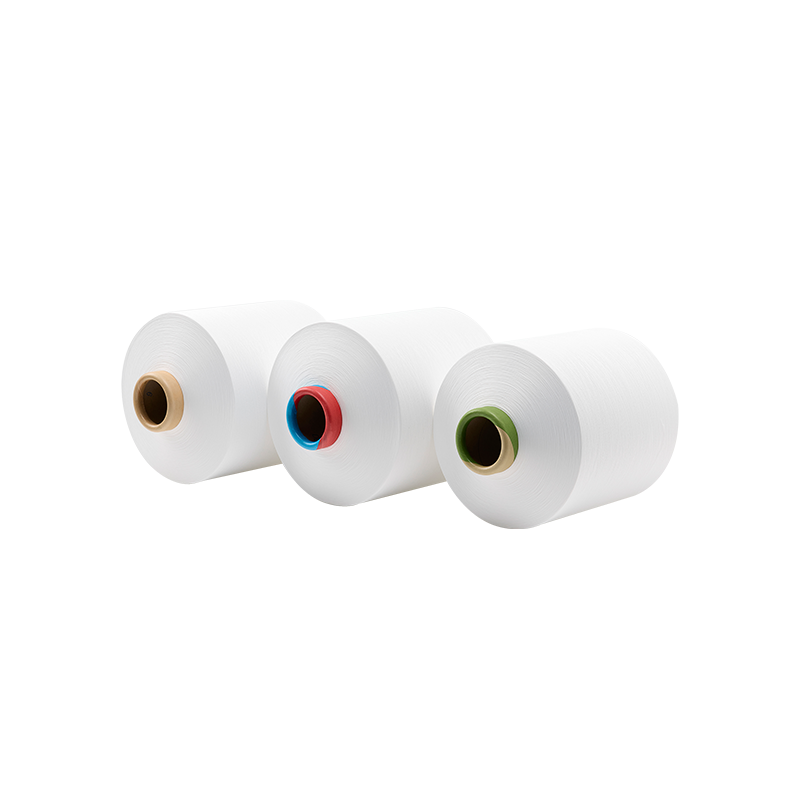
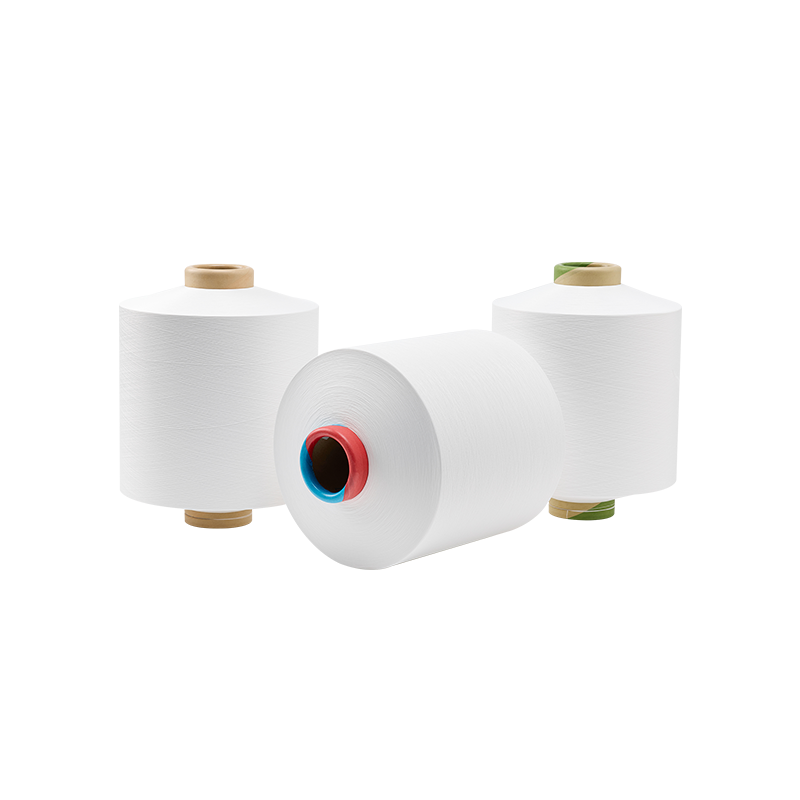
Para los compradores que exploran la cadena completa de productos PA6, desde chips hasta hilo, la Gama de productos de fibra e hilo de nailon. muestra cómo los chips se incorporan a procesos posteriores como la producción POY, FDY y DTY. Comprender esa cadena hace que la selección de calidad sea más intuitiva: los chips de calidad de fibra son literalmente la materia prima para los productos POY y HOY utilizados en el texturizado.
Por último, preste atención a la coherencia del proveedor, no sólo a las especificaciones puntuales. Un solo lote que cumpla con las especificaciones es menos valioso que un proveedor que mantiene un RV dentro de ±0,05 en cada envío. Ese tipo de disciplina de proceso es lo que separa una calidad que funciona en el laboratorio de una que funciona de manera confiable en producción.